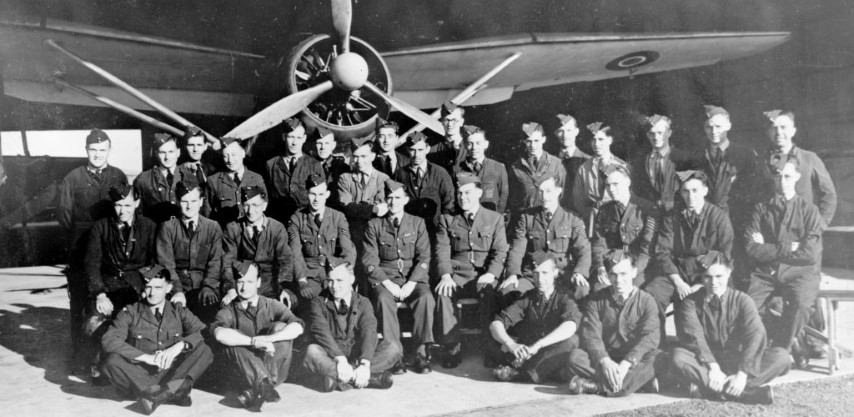
No. 276 Squadron RAF was a Royal Air Force Squadron formed as an air-sea rescue unit in World War II.
History
Formation in World War II
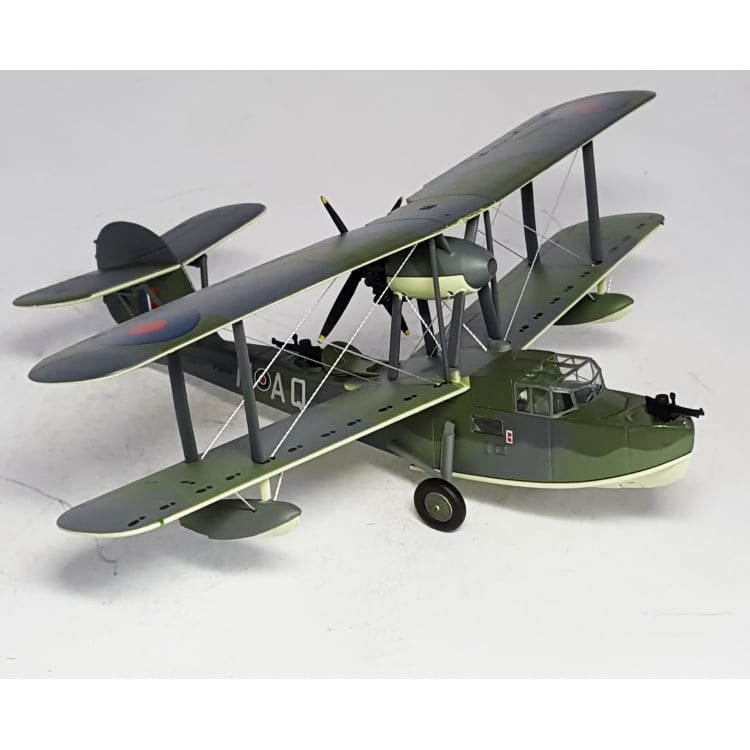
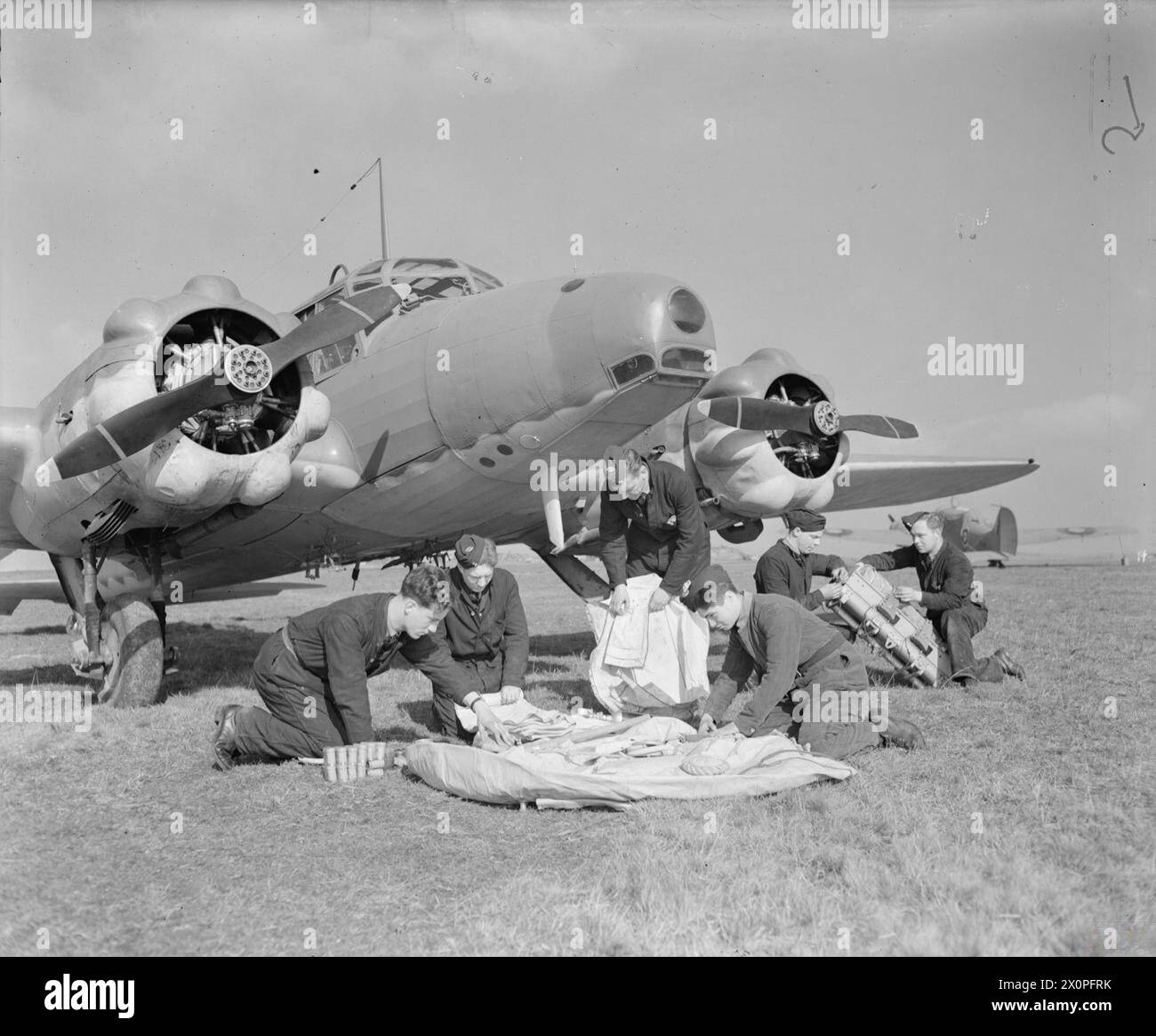
The squadron formed at RAF Harrowbeer, Devon on 21 October 1941 equipped with the Lysander and Walrus, with the responsibility of Air Sea Rescue over the Western part of the English Channel and the Bristol Channel. Hurricanes, Defiants, Spitfires and Ansons were then supplied, the fighter aircraft being used for spotting downed aircrew at sea and for dropping dinghies to the downed airmen. For a time it was commanded by Squadron Leader Ronald Hamlyn.
Warwicks which could drop lifeboats were operated from April 1944 until they were transferred to No. 277 Squadron RAF. A detachment and then the whole squadron relocated to Querqueville, France, and then Belgium following the Normandy landings. The squadron then moved to Kjevik, Norway, on 23 August 1945 and it returned to RAF Dunsfold on 10 November 1945 where it disbanded on 14 November 1945.
Aircraft operated
References
- Dunnell, Ben (April 2018). "The Sea Shall Not Have Them". Aeroplane. Vol. 46, no. 4. pp. 60–61. ISSN 0143-7240.
- Rawlings, John D. R. (1982). Coastal, Support and Special Squadrons of the RAF and their Aircraft. London: Jane's Publishing Company. ISBN 0-7106-0187-5.
- Thomas, Andrew (6–19 December 1991). "The Retrievers: No.276 Squadron, Royal Air Force". Aviation News. Vol. 20, no. 15. pp. 698–701.
External links
- History of No.'s 276–280 Squadrons at RAF Web
- 276 Squadron history on the official RAF website